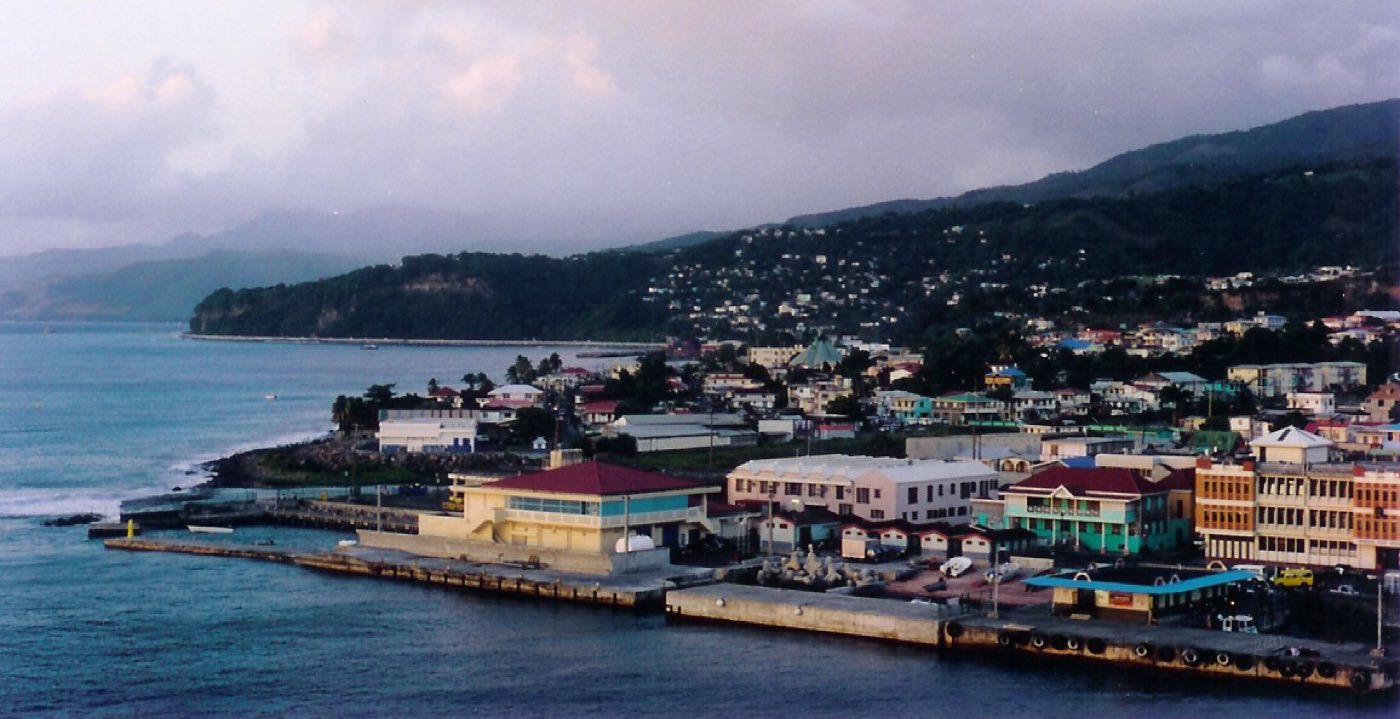
Dominica
- Capital
- Roseau
- Population
- 73K
- Currency
- XCD
- Languages
- English
Overview
Dominica is the Caribbean that forgot to develop. The island was passed over by the resort boom that built Barbados and St. Lucia, and the result is an interior that remains almost entirely rainforest — dense, wet, steep, and threaded with rivers that spill off the volcanic spine in every direction. Locals call it the Nature Isle, which for once reads as accurate rather than promotional. What travelers come here for is the other kind of Caribbean trip — boots rather than flip-flops, hiking rather than lying by a pool. The island has 365 rivers, nine active volcanoes, a boiling lake in the middle of a protected national park, and one of the healthiest reef systems left in the region. Most of the small hotels sit along the Caribbean-facing west coast around Roseau and Portsmouth, and almost everything worth seeing involves a drive up into the interior and a walk of some kind. Between 2017 and the present, Dominica has been rebuilding from Hurricane Maria, which stripped the island to bare rock. The recovery has been remarkable, trails have mostly been re-cut, and you will still see evidence of what happened in the form of younger-growth forest and newer rooflines. Go in the February-through-May window, plan around hikes and dives rather than beach days (the black-sand beaches are striking but not the headline), and be prepared for weather to move through at speed.
Things to Do
Boiling Lake hike through the Valley of Desolation
The Boiling Lake is the second-largest hot lake in the world — a geothermally heated, slate-gray crater lake perpetually venting steam at around 90°C — and reaching it is a full-day, 12-kilometer round trip through some of the strangest terrain in the Caribbean. The middle section, the Valley of Desolation, is a sulfur-scented expanse of fumaroles, yellow mineral crusts, and bubbling mud pots where you walk single-file behind a guide because the crust is thin. A certified guide is mandatory. Start before 7am, bring real hiking shoes, and expect six to eight hours on your feet.
Morne Trois Pitons National Park UNESCO site
The park covers a quarter of the island and includes most of the landmark hikes — Boiling Lake, the Titou Gorge, the Freshwater and Boeri crater lakes, and the summit trail up Morne Trois Pitons itself. It was the Caribbean's first natural UNESCO World Heritage Site and remains one of the best-preserved rainforest parks in the region. You can string together easy half-day hikes (Middleham Falls, Emerald Pool) or commit to the harder summit and crater routes, but either way this is where most of Dominica's interior unfolds.
Trafalgar Falls twin waterfalls
A fifteen-minute walk from a small car park outside Roseau, Trafalgar Falls are two waterfalls that drop almost side by side — the Father falls and the smaller Mother falls — into a basin of sulfur-warmed and cool water that mixes on the scramble over the boulders. Adventurous visitors climb the rocks (carefully, they are slick) to reach the hot pools higher up. It is the single easiest showcase hike on the island and a good first-day orientation to the landscape.
Champagne Reef diving with volcanic bubbles
Just south of Roseau at Pointe Michel, volcanic vents release streams of warm bubbles through a shallow reef — snorkel or dive, and you drift through curtains of bubbles while reef fish go about their day around you. It is one of the most unusual snorkel sites in the Caribbean and an easy shore entry. Drop a little deeper on scuba and the reef walls open up with coral, sponges, and the occasional seahorse. Pair it with a dive at Scotts Head Pinnacle around the corner.
Emerald Pool rainforest swim
An easy fifteen-minute walk off the main trans-island road drops you into a green-domed grotto with a waterfall plunging into a deep pool the color of polished jade. You can swim here — the water is cool rather than cold — and the whole circuit back takes under an hour. It is the most accessible of the major waterfall sites and works well as a break on any cross-island drive between Roseau and the east coast.
Titou Gorge natural hot springs
Near the village of Laudat, Titou Gorge is a narrow slot canyon carved by a cold mountain stream that empties into a pool at the entrance of a short tunnel. You swim through the tunnel in the dark to reach a small waterfall at the far end — the gorge scene in Pirates of the Caribbean: Dead Man's Chest was filmed here. Outside the gorge, a hot spring at the entrance lets you alternate between the cold water and a hot soak. Bring a waterproof torch and aqua shoes if you have them.
Whale and dolphin watching off the coast
Dominica's deep west-coast waters — the seafloor drops to 1,000 meters within a kilometer of shore — make it one of the most reliable sperm whale destinations in the world. A resident population lives here year-round, and half-day boat trips out of Roseau have sighting rates above 90% in the November-to-March peak. Hydrophones let you listen to the whales communicating underwater while you wait for them to surface. Pilot whales, spinner dolphins, and the occasional humpback round out what you see.
When to Go
February through May is the drier window and the sweet spot for hiking — trails are manageable, rivers are clear but not raging, and sun usually wins the day. November through January stays warm but sees more rain and the occasional cool-season front. June through October is both the wettest stretch and the Atlantic hurricane season; accommodation prices drop but trail conditions deteriorate quickly after heavy rain, and the island has been directly hit by major storms more than once in recent decades. Whale-watching is best from November through March.
Getting Around
Renting a car is the honest answer for anyone spending more than a long weekend here — the bus system runs on local schedules that do not mesh well with trailhead timing, and taxis add up fast when you are hiking every day. Roads are narrow, steep, and winding, with left-hand driving (UK style), and rain comes through quickly, so take it slow. Temporary Dominican driving permits are issued at the rental counter for a small fee. For the trickier hikes — Boiling Lake especially — certified guides are either required or strongly advised, and most hotels will arrange them. Ferries connect to Guadeloupe and Martinique for onward island-hopping.
Cost & Currency
Dominica uses the Eastern Caribbean dollar (XCD), pegged to the US dollar at EC$2.70 to US$1, and US dollars are widely accepted at hotels, restaurants, and tour operators (expect change in EC$). Mid-range guesthouses and eco-lodges run US$100–180 per night; local lunches of fish, plantain, and rice are US$10–15, while sit-down dinners at tourist-facing restaurants run US$25–40. A guided Boiling Lake hike is typically US$80–120 per person. Card acceptance is improving in Roseau and Portsmouth but patchy inland; carry US$50–100 in cash daily. Tipping is appreciated rather than expected — round up, and tip guides generously at the end of a hard day.
Frequently Asked Questions
- Do I need a visa to visit Dominica?
- Most visitors from the US, UK, EU, Canada, and Commonwealth countries do not need a visa for stays up to 21 days or longer, depending on nationality. You will need a passport valid for at least six months, proof of onward travel, and proof of accommodation. Check the specific entry requirements for your passport before booking.
- Is Dominica safe for travelers?
- Dominica is generally safe and petty crime rates are low compared to other Caribbean destinations. The main hazards are natural — slippery trails, flash floods after heavy rain, and strong currents on some beaches. Take trail conditions seriously, use certified guides for the harder hikes, and keep an eye on weather forecasts during the June-to-November wet and hurricane season.
- How do I get to Dominica?
- There are no direct flights from the US, UK, or Europe — almost all travelers connect through Barbados, Antigua, Puerto Rico, St. Martin, or Guadeloupe into Douglas-Charles Airport on the northeast coast. Ferries from Guadeloupe and Martinique run to Roseau and are a practical option if you are island-hopping. A new larger airport project has been announced but is not yet operational.
- Can you hike without a guide?
- Many of the shorter trails — Emerald Pool, Middleham Falls, Trafalgar Falls, Syndicate Nature Trail — are fine to walk independently with reasonable maps and conditions. The harder routes, particularly Boiling Lake and the Valley of Desolation, essentially require a certified guide both for safety and because trail markers are limited. The Waitukubuli National Trail, a 185-kilometer thru-hike across the island, can be done in sections with varying guide needs.
- What should I pack for a Dominica trip?
- Proper trail shoes or light hiking boots — flip-flops and sneakers will not cut it on muddy volcanic slopes. A rain jacket, quick-dry clothing, a small daypack, and a headlamp if you plan any pre-dawn starts. Reef-safe sunscreen is required for snorkeling. If you plan to snorkel Champagne Reef or Titou Gorge, a thin wetsuit or rash vest is worth having for comfort.
Plan a Trip to Dominica
Have you been to Dominica?
Track 195 countries, 50 states & 63 national parks on your map