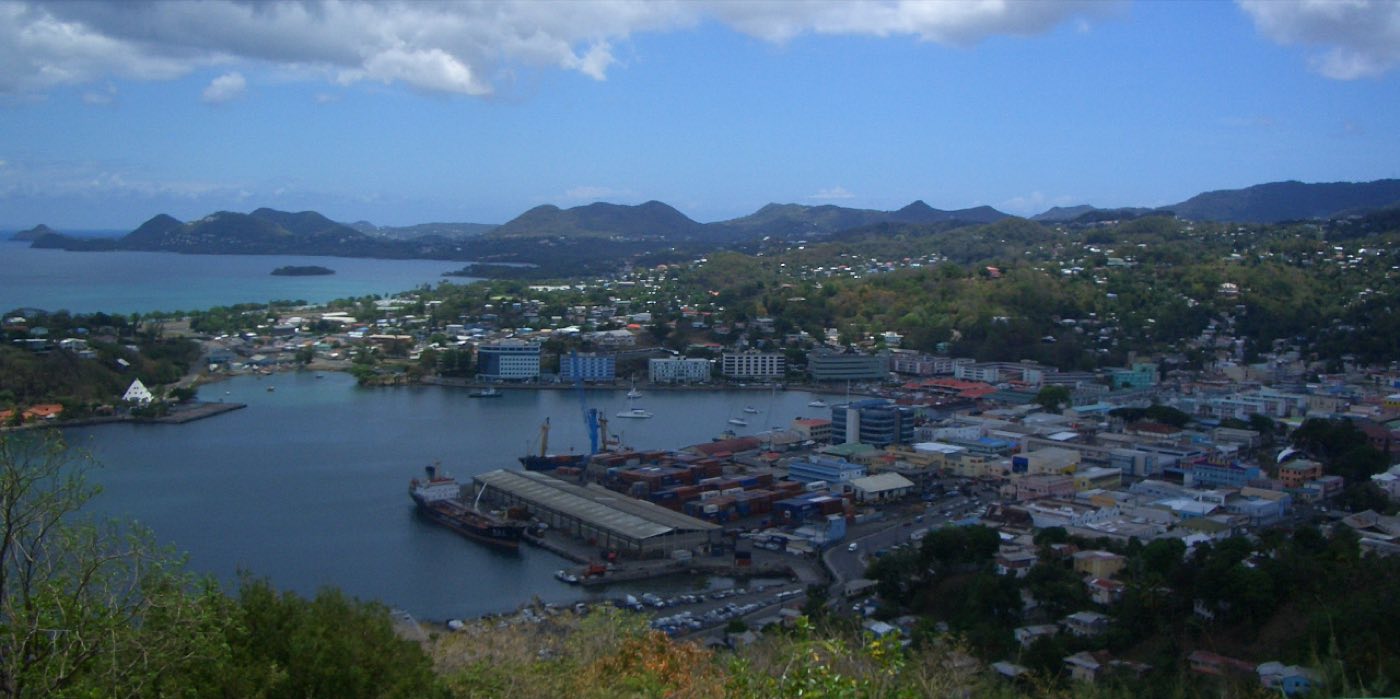
Saint Lucia
- Capital
- Castries
- Population
- 180K
- Currency
- XCD
- Languages
- English
Overview
A volcanic Caribbean island of sharp natural drama, Saint Lucia is defined by the twin Piton peaks rising straight from the sea at Soufrière — two forested cones, 770 and 743 meters tall, that form one of the most recognizable coastlines in the Americas. Travelers come to hike the Gros Piton trail, soak in the steaming mineral baths at Sulphur Springs, sail the west coast at sunset, and explore the lush, mountainous interior where rainforest presses right up against the road. The island is only 27 miles long and 14 miles wide, but it feels bigger because of how vertical it is. Driving from the capital Castries in the north to Soufrière in the southwest takes well over an hour on switchback roads that climb, drop, and curve through banana plantations and fishing villages. Rodney Bay and Gros Islet in the north are where most of the resorts and restaurants cluster; Soufrière in the southwest is where the scenery is, along with the best boutique hotels carved into the hillsides facing the Pitons. Saint Lucia rewards travelers who want a Caribbean island with landscape as the main event — not just beaches, but hiking, hot springs, sailing, and rainforest tours. It is English-speaking with a French-Creole cultural layer (Kwéyòl is widely spoken alongside English), food is often excellent, and the pace is unhurried. A week lets you split between the north and the Soufrière area; five days is enough if you pick one base.
Things to Do
The Pitons (Gros Piton and Petit Piton)
The two volcanic plugs are Saint Lucia's unmistakable silhouette, a UNESCO World Heritage site, and the country's signature hike. Gros Piton (770 meters) is the one you actually climb — four to five hours round-trip on a steep trail from Fond Gens Libre, challenging but accessible to reasonably fit hikers. Petit Piton is steeper and technically restricted to experienced scramblers with a guide. Start before 7 AM to beat the heat and afternoon cloud, hire a guide at the trailhead ($50–$75), and bring a liter of water per hour on the trail.
Sulphur Springs drive-in volcano
The caldera of an old collapsed volcano near Soufrière that you can literally drive into, with steaming fumaroles, sulphur vents, and bubbling mud pools releasing 180°C steam. The main attraction is the mud baths at the bottom — open-air pools where you coat yourself in warm grey volcanic mud, let it dry, then rinse in the hot mineral stream. The smell is genuinely unpleasant and the site is managed rather than pristine, but it's an unusual afternoon and the mineral water is meant to be good for the skin.
Marigot Bay yacht harbor
A deep, narrow bay on the west coast that James A. Michener called the most beautiful bay in the Caribbean, sheltered from Atlantic weather by a thickly forested peninsula. Yachts anchor in the inner lagoon, a small ferry crosses the 100 meters from one side to the other in three minutes, and the waterfront has a handful of restaurants — Doolittle's, Chateau Mygo — for long lunches and sunset drinks. The setting was used as a location for the 1967 Rex Harrison film Doctor Dolittle.
Anse Chastanet and Jade Mountain resort area
The beach at Anse Chastanet sits directly below the Pitons in a protected marine reserve, with snorkeling reef that starts a few meters from shore and Petit Piton looming directly over the sand. You don't need to stay at the resort to visit — the beach is public and the reef is one of Saint Lucia's best snorkeling spots. Walk or taxi down from Soufrière in the morning, rent gear on the beach, and eat lunch at Trou au Diable, the resort's more casual beachfront restaurant.
Pigeon Island National Park
A former offshore island connected to the mainland by a causeway in 1972, now a 44-acre park at Saint Lucia's northwestern tip with ruined British military fortifications, two small beaches, and panoramic views to Martinique across the channel. The walk up to Fort Rodney at the top takes about 30 minutes and gives you the view. In May, the Saint Lucia Jazz Festival stages its main concerts on the park's grounds; otherwise it's a quiet half-day of history and easy swimming.
Diamond Falls and mineral baths
A botanical garden outside Soufrière built around a sulphur-stained waterfall that pours down a striped cliff face. The mineral baths, originally built in 1784 for French troops to bathe in the therapeutic waters, were restored in the 20th century and now offer private outdoor tubs fed by the hot spring. It's a pretty, manicured stop — more garden than natural wonder — but pairs well with Sulphur Springs and the Pitons as part of a Soufrière day.
Tet Paul Nature Trail
A 45-minute loop trail on a ridge above Soufrière that is sometimes called the Stairway to Heaven, thanks to a steep final wooden staircase that opens onto the best view of the Pitons available without hiking one. The trail passes working farm plots — cocoa, cassava, breadfruit — and a guide walks you through the plants and their uses. It's the accessible version of a Piton experience, suitable for almost any fitness level, and costs a few US dollars for entry.
When to Go
December through April is the dry season with the most reliable sunshine, the calmest seas, and the highest prices — book three to six months ahead for the Christmas and Easter peaks. The Saint Lucia Jazz and Arts Festival in early May is the island's major annual event, with concerts at Pigeon Island and venues around the island drawing major Caribbean and international acts. The green season from June to November brings afternoon rain, lush landscapes, and prices 30–40% lower; hurricane risk peaks in September and October but Saint Lucia sits south of the main track and direct hits are uncommon.
Getting Around
Saint Lucia's two main areas — Rodney Bay in the north and Soufrière in the southwest — are about 90 minutes apart on winding roads that climb and drop through the interior. A private transfer between the two runs around $100 one way. Car rental is $50–$80/day plus a $22 temporary local permit; drives are on the left, and mountain roads can be tight and potholed. Taxis are not metered, so agree the fare in writing before you set off; the tourist board publishes standard rates. Water taxis between Rodney Bay and Soufrière ($40–$60 per person one way) are a scenic alternative and avoid the switchbacks if you're prone to motion sickness.
Cost & Currency
Saint Lucia uses the Eastern Caribbean dollar (XCD), pegged at a fixed 2.70 to the US dollar, and US dollars are accepted widely at that rate — you'll often get change in EC. Cards are accepted at hotels, restaurants, and tour operators; carry $50–$100 EC in cash for taxis, beach bars, and market vendors. Expect $200–$400 per night for a mid-range hotel in Rodney Bay, $400–$800 at Soufrière boutique hotels with Piton views, and $1,500+ for Jade Mountain or Sugar Beach. A seafood lunch runs $25–$45, a rum punch $8–$10, and dinner at a decent restaurant $50–$90 per person. Tipping is 10–15%; many hotel and restaurant bills already include a service charge.
Frequently Asked Questions
- Do I need a visa for Saint Lucia?
- US, UK, Canadian, EU, and Australian citizens do not need a visa for stays up to 42 days (US) or 6 weeks to 6 months depending on nationality. A passport valid for at least six months, proof of onward travel, and completion of the online immigration form before arrival are required. The form opens 72 hours before your flight through the official Saint Lucia travel platform.
- Which side of the island should I stay on?
- Rodney Bay and Gros Islet in the north have more resorts, restaurants, and nightlife — better for a standard beach holiday. Soufrière in the southwest has the Pitons, the best scenery, Sulphur Springs, and the most dramatic hotels carved into hillsides — better for hiking, romance, and photography. Four nights in Soufrière plus three in Rodney Bay is a strong combination if you have the week.
- Is Saint Lucia safe for travelers?
- Yes, for the most part — the tourism areas around Rodney Bay, Soufrière, and the main resorts are safe and well-patrolled. Castries, the capital, has higher levels of petty crime and is best visited during the day. Avoid poorly-lit streets at night outside tourist zones, and don't leave valuables in rental cars or unattended on beaches.
- How hard is the Gros Piton hike?
- It's challenging but accessible for reasonably fit hikers — four to five hours round-trip with steep, rocky sections and some scrambling near the top. You're required to take a guide, hired at the Fond Gens Libre trailhead ($50–$75 per group plus a park fee). Start at 7 AM to avoid afternoon cloud and heat, bring three liters of water, sturdy shoes, and snacks. Petit Piton is significantly harder and only attempted by experienced scramblers.
- Can you drink the tap water?
- Generally yes, though many visitors stick to bottled water out of caution or preference. Water at major hotels is treated and safe. In smaller guesthouses or after heavy rain, when the supply can be affected, bottled is the safer call. Bring a refillable filter bottle like a Grayl or LifeStraw if you want to reduce plastic use.
Plan a Trip to Saint Lucia
Have you been to Saint Lucia?
Track 195 countries, 50 states & 63 national parks on your map