Grenada
- Capital
- St. George's
- Population
- 125K
- Currency
- XCD
- Languages
- English
Overview
Grenada is the southernmost of the Windward Islands, a volcanic three-island nation — Grenada itself plus smaller Carriacou and Petite Martinique — that grows roughly 20 percent of the world's nutmeg. Travelers come for the long curve of Grand Anse beach, the cocoa estates in the interior, an underwater sculpture park off the west coast, and a pace that still feels genuinely unhurried. You smell the island before you see much of it. Driving inland from the airport, the air turns sweet with nutmeg and cocoa — the trees grow along the roadside — and in the town of Gouyave you can walk straight into a working spice processing station where women sort nutmeg pods by hand the same way they have for a hundred years. It's one of the few Caribbean islands where agriculture still feels like the backbone of the economy rather than a tourist demonstration. Grenada rewards travelers who like their Caribbean low-key. There is no casino, no chain-resort strip beyond one section of Grand Anse, and no direct flights from most of the United States. What you get instead is a small capital (St. George's) that remains one of the prettiest harbor towns in the region, rainforest drives that take fifteen minutes, cocoa tastings at family farms, and a food culture built on oil down (the national dish), callaloo, and just-caught yellowfin. Four or five days will show you the main island; a week lets you add Carriacou.
Things to Do
Grand Anse Beach
Two miles of pale sand curve along the southwest coast, facing the Caribbean Sea and backed by sea grape and almond trees. The sand is fine and the water shelves gently — good for kids, good for long swims. A handful of beach bars serve rum punch and grilled fish, and the Spice Market on the north end sells crafts and a reliable lunch. Stay through late afternoon when the day-trippers thin out and the water turns the color it's supposed to be in the brochure.
Underwater Sculpture Park diving
In 2006 the sculptor Jason deCaires Taylor installed dozens of concrete figures in Molinere Bay, the world's first underwater sculpture park, designed to serve as an artificial reef. The figures — a circle of children holding hands, a man at a desk, a cyclist — have accumulated coral, sponges, and fish in the two decades since. It's a shallow-water site at 15 to 25 feet, accessible to snorkelers from a boat and easy for beginner divers. Most tours run from the west-coast marinas.
Belmont Estate cocoa and chocolate tour
On a working 17th-century estate in the northern parish of St. Patrick, Belmont produces some of the best organic chocolate in the Caribbean — the cocoa is fermented and sun-dried on wooden racks you'll walk past on the tour. The visit covers the full bean-to-bar process, ends with a tasting, and includes a Creole lunch at the estate restaurant if you time it right. Plan a half day; the drive up from the south coast is twisty and takes roughly 90 minutes.
St. George's colorful harbor and Fort George
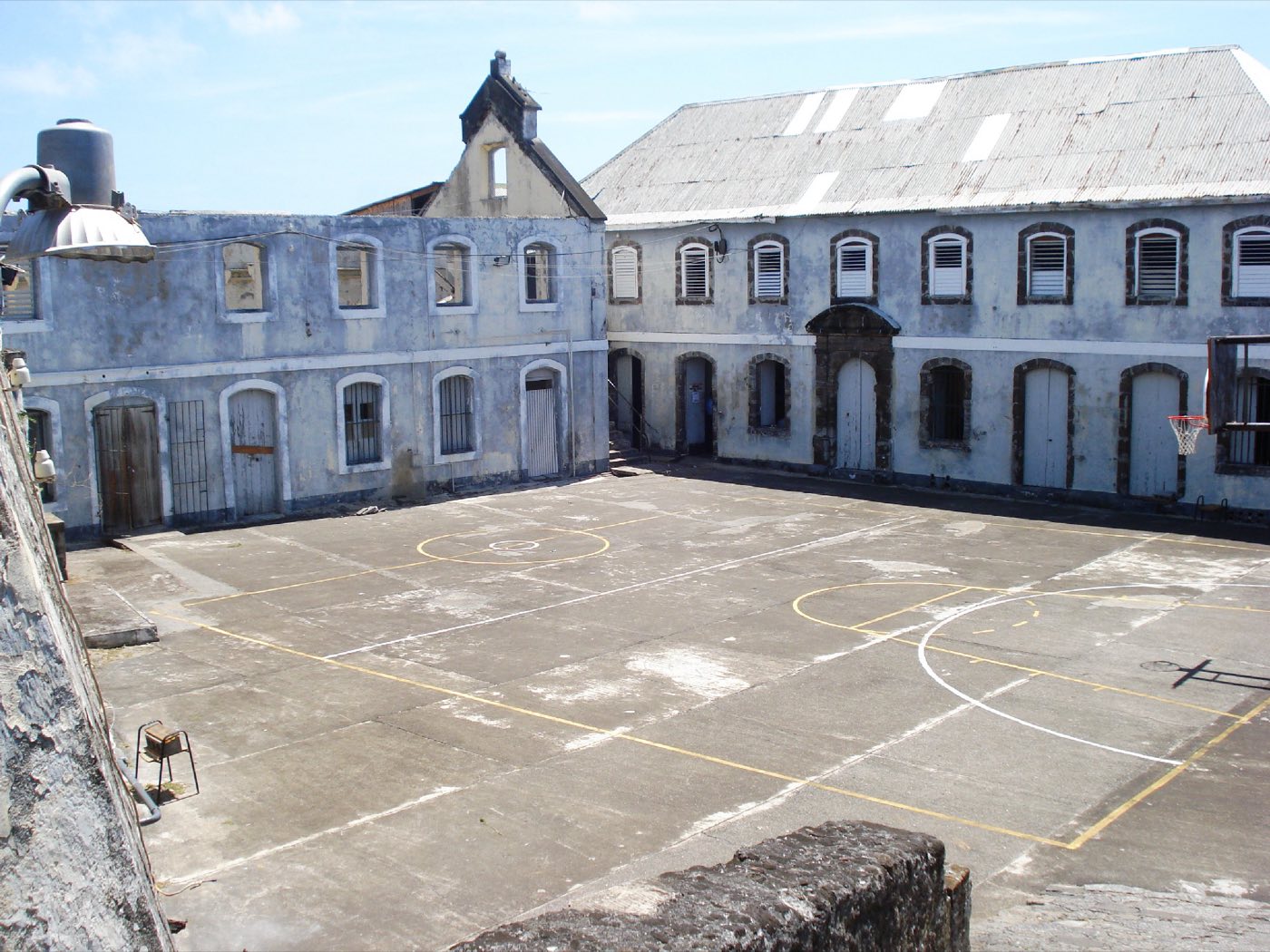
The capital wraps around a flooded volcanic crater, with pastel buildings stacked up the hillsides and a horseshoe harbor full of fishing boats and the occasional cruise ship. Walk the Carenage waterfront, climb to Fort George for a full view of the harbor and the island's south coast, and stop at the Market Square on Saturday morning when the spice and produce stalls are in full swing. Nutmeg ice cream at the House of Chocolate afterwards is not optional.
Annandale Falls rainforest swim
A 30-foot waterfall drops into a deep pool about 15 minutes inland from St. George's — close enough that you can combine it with a morning in town. The approach is short (five minutes from the parking area) and the pool is safe to swim in. Local divers will leap from the rocks above for tips; it's a small spectacle. Bring a swimsuit, water shoes help on the slippery stones, and the rainforest interpretive center at the entrance is worth fifteen minutes.
Gouyave Nutmeg Processing Station
On the west coast, in a wooden warehouse that smells strongly of the spice inside it, women sort and grade nutmeg pods by hand across three floors. Tours are informal and cheap, and the guide will explain the full processing chain from the pink-red mace to the seed kernel itself. Pair it with Gouyave's Friday Fish Night, when the main street closes off for fresh grilled mahi-mahi, tuna steaks, and cold Carib beer. It's the best street-food evening on the island.
Sandy Island snorkeling off Carriacou
A 90-minute ferry from the main island takes you to Carriacou, the sleepier sister island where life still revolves around boat-building and goat-racing. From Hillsborough harbor, a short water-taxi ride drops you on Sandy Island, a sliver of white sand with clear, shallow reef on both sides and nothing else. Bring a mask, bring lunch, bring enough water. The reef has healthy brain coral and sea fans and you'll often be the only boat tied up there.
When to Go
January through May is the dry, sunny stretch — warm days, calm Caribbean seas, and reliable trade winds. The Spicemas Carnival in early August is a serious draw, with J'ouvert street parades and pageants drawing diaspora crowds home, though it falls in the wet season and hurricane window. The rainy months of June through November bring short, heavy afternoon showers rather than all-day rain, and prices drop significantly; Grenada sits on the southern edge of the hurricane belt and statistically sees fewer direct hits than islands to the north. Whale and dolphin sightings off the west coast peak from December through April.
Getting Around
Grenada is small — roughly 20 miles by 12 — and a rental car gets you anywhere on the main island in under 90 minutes. Driving is on the left, roads are paved but often narrow and steep, and a short-term local permit is required (rental agencies handle it for a small fee). Route taxis, the minibus system, run fixed routes for a few EC dollars a ride and are how most Grenadians get around; they're cheap and reliable if you're flexible on timing. Private taxis are plentiful at the airport and resort areas but more expensive. Between the islands, the Osprey ferry runs the Grenada-Carriacou-Petite Martinique route twice daily in each direction, roughly 90 minutes to Carriacou.
Cost & Currency
The local currency is the Eastern Caribbean dollar (XCD), pegged at 2.7 to the US dollar — US dollars are widely accepted at roughly 2.5 to 2.67, so paying in EC is usually slightly better. Expect to pay XCD 40-70 (US $15-25) for a plate of oil down or grilled fish at a local spot, XCD 250-500 (US $90-185) a night for a mid-range guesthouse or small hotel, and beachfront resorts at Grand Anse running US $250-500. Route taxis are under XCD 5 per ride and rental cars run US $50-80 a day. Cards are accepted at hotels, larger restaurants, and supermarkets; carry EC cash for route taxis, roadside stalls, and smaller shops. Tipping is 10-15 percent at restaurants if a service charge isn't already added.
Frequently Asked Questions
- Is Grenada safe for travelers?
- Yes, Grenada is considered one of the safer Caribbean destinations, with low violent crime and a local culture that is genuinely welcoming. Petty theft from cars and unattended beach bags happens occasionally around Grand Anse and in St. George's — lock the car, don't leave valuables visible. Walking around St. George's and the south-coast resort areas is comfortable during the day and into the evening.
- Do I need a visa to visit Grenada?
- Most Western travelers, including US, UK, EU, Canadian, and Australian citizens, do not need a visa for stays up to 90 days; a valid passport and proof of onward travel are sufficient. On arrival you'll complete an immigration card and may be asked where you're staying. Check the official Grenada immigration site for your specific nationality before booking if you're unsure.
- What's the best way to get to Carriacou?
- The Osprey ferry from St. George's takes about 90 minutes and runs twice daily in each direction, with an onward leg to Petite Martinique. It's cheaper and more scenic than flying. SVG Air also runs short flights from Maurice Bishop International to Lauriston Airport on Carriacou in about 20 minutes, useful if you're short on time or the sea is rough.
- What's the food like on Grenada?
- Caribbean with a strong spice-island signature — oil down, the national dish, is a one-pot stew of breadfruit, salted meat, callaloo, and coconut milk simmered with turmeric and other spices. Grilled fish (mahi-mahi, tuna, snapper) is everywhere and excellent. Don't miss nutmeg ice cream, cocoa tea for breakfast at a guesthouse, and a visit to Gouyave Fish Friday for the best street-food evening on the island.
- How many days do I need in Grenada?
- Four to five days cover the main island comfortably — Grand Anse beach time, a day for St. George's and the harbor, a cocoa-estate day, and a day for the west-coast drive to Gouyave and Annandale Falls. Add two or three more nights if you want to include Carriacou, which most visitors skip and genuinely shouldn't. A week is the right amount for a relaxed trip.
Plan a Trip to Grenada
Have you been to Grenada?
Track 195 countries, 50 states & 63 national parks on your map