Brazil
- Capital
- Brasília
- Population
- 216M
- Currency
- BRL
- Languages
- Portuguese
Overview
The world's fifth-largest country pulses with samba rhythms, Carnival energy, and arresting natural wonders from the Amazon to Iguazú Falls. Visitors come for Rio's iconic coastline, the Pantanal's wildlife, and the architectural wonder of Brasília. The scale of Brazil is the first thing to come to terms with. It is larger than the contiguous United States, occupies half of South America, and contains ecosystems that have almost nothing to do with each other — the flooded Pantanal, the Atlantic rainforest, the Sertão's red scrub, and 7,500 kilometers of coastline where the Atlantic is bathwater for most of the year. You do not see Brazil in one trip. You pick a region and go deep, and you trust that the country will reward you for staying put. What you get in exchange is a country with an ease about daily life that is genuinely rare. Beer is ice-cold, the grill is usually going somewhere nearby, and strangers will talk to you on the bus in a way that takes a few days to stop startling North Europeans. If you want a place that still delivers the postcard images — Christ the Redeemer in the clouds, Iguaçu's curtain of water, Rio's beaches at six in the evening — alongside wildlife, architecture, and a music scene that shapes the rest of the world, Brazil is a country you will want to come back to more than once.
Things to Do
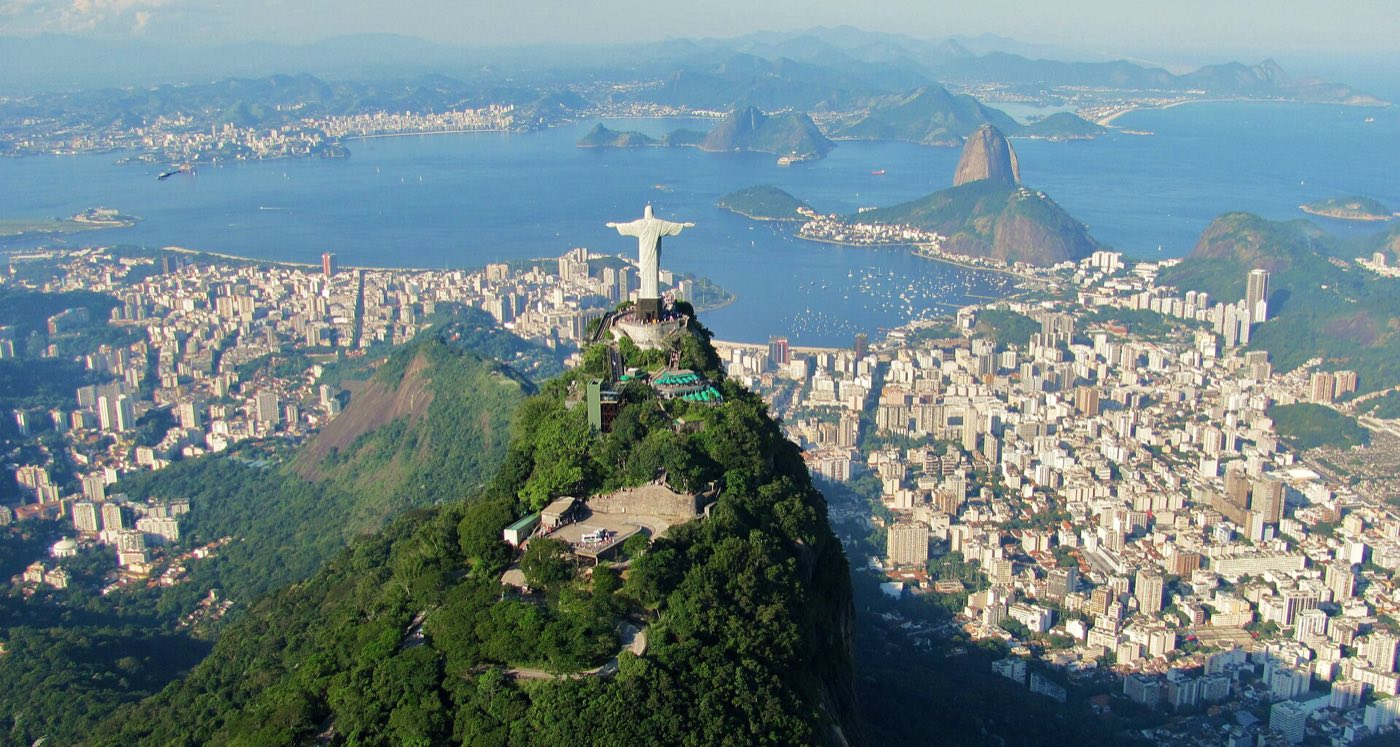
Christ the Redeemer and Sugarloaf Mountain in Rio
The Christ statue on Corcovado and the Pão de Açúcar cable car are both genuinely worth the tickets, and both are best done early — the statue at 8 AM before the haze builds, the cable car near sunset for the light on Guanabara Bay. Combine with a morning walk from Leme to Leblon along the beach promenade, stopping at a kiosk for a coconut. Rio is a walking-and-looking city as much as a checklist one.
Iguaçu Falls from the Brazilian side
The Brazilian side gives you the panoramic view; the Argentinian side puts you up close. Most travelers do both over two days, crossing the border at Foz do Iguaçu with the right visa in hand. The walkway out to the Devil's Throat is where the falls properly stop being photographs and become a roar you feel in your chest. Book a day in advance in high season and bring a waterproof for your phone.
Amazon rainforest lodge stays near Manaus
A 90-minute flight from Rio or São Paulo gets you to Manaus, from which lodges on the Rio Negro are reached by speedboat in another two to three hours. Three nights at a lodge like Anavilhanas or Juma delivers night caiman spotting, canoe trips into igapó flooded forest, and dawn birding from a canopy tower. The meeting of the waters — where the dark Rio Negro runs alongside the café-au-lait Solimões for kilometers without mixing — is the easy day trip from the city.
Rio Carnival celebrations
The famous Sambódromo parades are genuinely spectacular — giant samba schools with 3,000 performers each, competing on consecutive nights in February — and tickets are worth the money at least once. What you might not expect is that the real Carnival for most locals is the blocos: street parties with brass bands that wander through neighborhoods like Santa Teresa and Ipanema all week. Pick a bloco list, drink water, and give up on a plan.
Fernando de Noronha archipelago diving
A volcanic archipelago 350 kilometers off the northeast coast, Noronha limits daily visitor numbers and charges a conservation tax that keeps it as empty as such a good place can be. The dive sites rank among the world's best for water clarity — sea turtles, reef sharks, spinner dolphins, the occasional manta ray — and the beaches at Sancho and Baía do Sueste are the reason to stay above water some days. Fly in from Recife or Natal; minimum four days to make the trip worthwhile.
Pantanal wetlands wildlife safaris
The Pantanal in the west-central lowlands is the world's largest tropical wetland and the best place on the planet to see a wild jaguar. Small lodges along the Transpantaneira road in the northern Pantanal run boat trips that track jaguars hunting caiman on the Cuiabá River — success rates are high in the dry season. Expect giant otters, hyacinth macaws, and more capybaras than you can count, plus horseback rides across the savanna at sunset.
Lençóis Maranhenses desert lagoons
A coastal desert in the far northeast where the wind piles up white dunes for 1,500 square kilometers, and the rains fill the valleys between them with shallow turquoise lagoons from roughly June through September. You cross the dunes from the town of Barreirinhas in a 4x4 and then walk; the lagoons are warm, fresh, and impossible to photograph in a way that captures the scale. Come outside dune-pool season and you will find white desert without the swimming.
Salvador's Pelourinho historic quarter
The old colonial capital on the northeastern coast has more Afro-Brazilian culture per square block than anywhere else in the country — Pelourinho is UNESCO-listed for the density of its colorful baroque churches and pastel townhouses, and the capoeira rodas and Tuesday-night Olodum drumming are genuinely local rather than performances for tourists. Base in the old town for two nights, then take a day at Porto da Barra beach for the Salvador sunset that Brazilians all remember.
When to Go
May to September is the dry season in much of the country and the sweet spot for the Pantanal, Rio, and the coast — warm sunny days, comfortable nights, and the window when jaguar sightings peak. February or March is Carnival season in Rio, Salvador, and Olinda, and the country essentially shuts down for a week of parties you either come for or carefully avoid. The Amazon is best from June to November when water levels drop, trails open up, and wildlife concentrates around remaining pools. For the northeast and Fernando de Noronha, September through February is ideal, though January and February mean higher domestic travel prices. Lençóis Maranhenses lagoons are at their fullest from late June through September.
Getting Around
Brazil's scale means flying is often the only realistic way to connect regions — Latam, Gol, and Azul run a dense domestic network and fares are reasonable if booked a few weeks out. Long-distance buses like Cometa and Itapemirim cover shorter routes in comfort with cama seats, and overnight services between Rio and São Paulo or São Paulo and Foz do Iguaçu can save you a hotel night. Within cities, ride-hailing through Uber and 99 is cheap and safer than street taxis after dark. Rio and São Paulo have usable metros for central neighborhoods; renting a car makes sense mostly in the northeast, the Chapada regions, and the Pantanal road.
Cost & Currency
Brazil uses the real (BRL), and the country sits in the middle of South American travel costs — cheaper than Chile or Uruguay, more expensive than Bolivia or Colombia. Expect R$15–25 for a kilo of buffet lunch at a per-quilo restaurant (you pay by weight, which is as good a way to eat as Brazil has invented), R$200–400 a night for a comfortable mid-range hotel in Rio or São Paulo, and R$30–60 for a decent dinner at a neighborhood churrascaria. Cards are accepted nearly everywhere, including the instant-payment Pix system that has largely replaced cash for Brazilians — tourists still need some reais for small vendors, tips, and buses. Tipping is generally included as a 10% serviço on restaurant bills; round up taxis and tip beach vendors modestly.
Frequently Asked Questions
- Do I need a visa to visit Brazil?
- As of 2025, US, Canadian, and Australian citizens need an e-visa obtained online in advance, which takes a few business days and costs around $80. EU, UK, and most Latin American passport holders enter visa-free for up to 90 days. Rules have shifted several times in recent years, so confirm the current requirement on the Brazilian consulate website before booking.
- Is Brazil safe for travelers?
- Brazil has real safety issues, particularly in Rio, São Paulo, and Salvador, where muggings and opportunistic theft affect visitors who look like tourists. Leave the watch at home, use Uber or 99 after dark, carry only what you need on the beach, and avoid favelas unless with a reputable guided tour. Outside the big cities, places like Noronha, Paraty, and the smaller coastal towns feel markedly safer.
- Do I need Portuguese to get around?
- Some Portuguese helps a lot — English is less widely spoken in Brazil than in many other travel destinations, especially outside tourist districts of Rio and São Paulo. Learn numbers, greetings, and food-ordering basics; the phrase book and a translation app will cover you most of the time. Brazilians are warm and patient with halting attempts at the language.
- Is the tap water safe to drink?
- Tap water is generally not recommended for drinking — most Brazilians drink filtered or bottled water at home, and hotels provide bottled water in rooms. In cities like São Paulo and Rio the water is treated and safe for brushing teeth and showering, but for drinking, stick to filtered, bottled, or water from a hotel dispenser.
- What's the best region for a first trip?
- For most first-timers, Rio plus Iguaçu Falls plus either the northeast coast or a few Amazon nights is the classic 10 to 14 day loop. If you care more about wildlife than beaches, swap the northeast for the Pantanal. If you speak Spanish or Portuguese and want somewhere quieter, Chapada Diamantina or the colonial towns of Minas Gerais are rewarding alternatives.
Plan a Trip to Brazil
Have you been to Brazil?
Track 195 countries, 50 states & 63 national parks on your map