Panama
- Capital
- Panama City
- Population
- 4.4M
- Currency
- PAB
- Languages
- Spanish
Overview
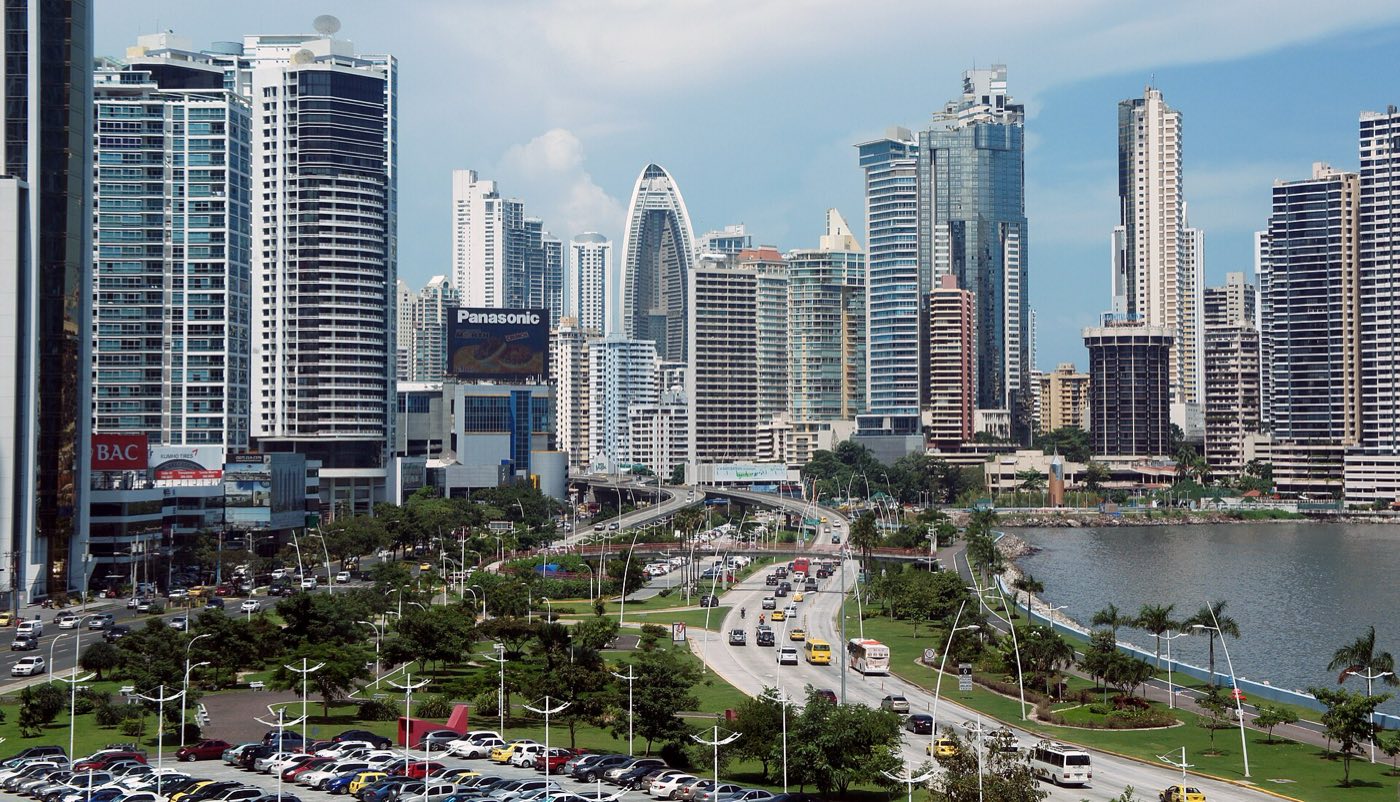
A narrow S-shaped isthmus stitching North and South America together, Panama is the country where a 20th-century engineering feat lets ships climb over a continent and where the tropical biology crashes together in one of the densest concentrations of species anywhere on earth. Travelers come for the locks at Miraflores, the walkable colonial quarter at Casco Viejo, cloud-forest coffee farms at Boquete, and surfing, snorkeling, and island-hopping out of Bocas del Toro. What surprises most first-time visitors is how much country there is beyond the canal. Panama is small — smaller than South Carolina — but within a few hours of Panama City you can be on Caribbean reefs, on Pacific surf beaches, in coffee country at 1,600 meters under quetzals, or in one of the last stretches of unroaded wilderness between Colombia and Alaska. The Guna Yala comarca (San Blas Islands) is an autonomous indigenous territory of 365 reef-rimmed islets where you stay in thatched bungalows and eat fresh-caught lobster for under $20. Panama City is the commercial hub of Central America — glassy skyline, decent restaurants, a walkable and restored Casco Viejo — and uses the US dollar, which removes most friction for North American travelers. English is widely spoken in tourism and business, getting around is easy, and the weather is reliably warm. This is one of the more accessible and rewarding tropical countries in the region.
Things to Do
Panama Canal Miraflores Locks visitor center
The Miraflores Visitor Center sits alongside the Pacific-side locks of the Panama Canal, with four viewing decks, an IMAX theater, and a museum explaining the French failure, the US completion, and the 2016 expansion. Time your visit for when a transit is happening — usually morning and mid-afternoon — to watch a Panamax ship lift about 26 meters in a series of chambers. For deeper engagement, book a partial transit on a tour boat from Flamenco Marina that runs through the Miraflores and Pedro Miguel locks themselves.
Casco Viejo colonial quarter in Panama City
Panama's Spanish-founded old town, a UNESCO site, was painstakingly restored from the 1990s onward and now packs the best restaurants, boutique hotels, and rooftop bars in the country into about twenty walkable blocks. Wander Plaza Bolívar, eat at Fonda Lo Que Hay, climb the bell tower at San José Church with the Golden Altar inside, and stay for sunset on a rooftop — Tántalo and CasaCasco both look straight out at the Panama City skyline across the water.
Bocas del Toro island hopping
The Caribbean archipelago of Bocas del Toro is a cluster of nine main islands and hundreds of islets, where you base in Bocas Town on Isla Colón and take water taxis daily to Red Frog Beach on Bastimentos, the starfish beach at Isla Colón, and Cayos Zapatillas for snorkeling. Surf breaks like Paunch and Bluff are for intermediate-and-up levels; Wizard Beach on Bastimentos is an empty half-day hike. The scene in Bocas Town is backpacker-social with good seafood and an easy pace — allow three or four days.
San Blas Islands (Guna Yala) indigenous community stays
The Guna Yala comarca is an autonomous indigenous territory covering 365 Caribbean islets off Panama's northeast coast, governed by the Guna people themselves. You stay in thatched, cold-water bungalows on islands the size of a football field, eat fresh lobster and rice for nearly every meal, and boat to deserted sandbars and shipwrecks between siestas. Book through Guna-owned operators; the access point is usually a 4x4 transfer from Panama City to Cartí port followed by a boat ride. Three nights is the right length.
Boquete cloud forest and coffee plantation tours
The mountain town of Boquete in the western highlands at 1,200 meters is Panama's coffee capital — the Geisha varietal grown here has broken world auction records repeatedly — and a cool-weather retreat from Pacific-coast heat. Tour Finca Lerida or Casa Ruiz for the cup-to-farm story, hike the Sendero Los Quetzales for resplendent quetzals in breeding season (February through May), or climb Volcán Barú overnight to watch the sunrise from the only point in the country where you can see both oceans.
Soberanía National Park Pipeline Road birding
Half an hour from downtown Panama City, Soberanía protects a stretch of lowland tropical forest along the old Pipeline Road — a dirt track built during WWII that is now one of the most famous birding trails in the Americas. Day counts of 300+ species have been recorded here; regulars see trogons, motmots, toucans, and ant-following flocks easily. Go at dawn with a local guide from Canopy Tower or Ancon Expeditions. Even casual birders come back stunned by the sheer abundance.
Pearl Islands beaches
The Pearl Islands (Archipiélago de las Perlas) sit about 40 kilometers off the Pacific coast and offer a short flight or two-hour ferry escape from Panama City into clear water, white-sand beaches, and — between July and October — humpback whales migrating along the coast. Contadora is the main developed island with hotel options; Isla San José and Saboga are quieter. Day trips from Panama City are doable but an overnight on Contadora is how you settle into it.
When to Go
The dry season from mid-December through mid-April is the most popular window — sunny skies, lower humidity, and reliable beach weather on both coasts. Pacific beaches and highlands see almost no rain; the Caribbean side (Bocas del Toro, San Blas) is wettest in November–December and driest February through April. The green (rainy) season from May through November brings brief tropical afternoon showers that clear quickly and leaves landscapes greener and prices lower — late October can bring heavier sustained rain. Whale-watching in the Pearl Islands and Gulf of Chiriquí peaks July through October. Quetzal breeding season in Boquete runs February through May.
Getting Around
Panama City has a modern metro, cheap and reliable Uber, and a dense road network that connects most of the country within a day's drive. The Pan-American Highway runs most of the length of the country and is the backbone; buses on it are cheap and frequent. For the interior, David in the west is connected by 35-minute flights from Panama City on Air Panama or Copa, or by a six-hour overnight bus. Bocas del Toro is reached by one-hour flight from Panama City (Air Panama) or by bus to Almirante and a 30-minute water taxi. San Blas requires a 4x4 transfer from Panama City plus a boat. Rental cars are useful for interior destinations like Boquete and El Valle de Antón; most foreign licenses are accepted for up to 90 days.
Cost & Currency
Panama uses the US dollar alongside the Balboa (which is pegged 1:1 and exists mostly in coin form), making it friction-free for North American travelers. Expect $3–$5 for a plate of the national dish (sancocho chicken stew) at a fonda, $12–$20 for dinner at a casual restaurant in Casco Viejo, $80–$160 for a mid-range hotel in Panama City, and around $100–$130 per night for a San Blas island bungalow package including meals and boat tours. Rideshare within Panama City rarely exceeds $8–$12 for cross-town trips. Cards are accepted broadly in cities and tourist zones; carry cash for rural areas, San Blas, and the Bocas water taxis. Tipping is 10% at restaurants; taxi drivers do not expect tips beyond rounding up.
Frequently Asked Questions
- Do I need a visa to visit Panama?
- Most Western nationalities (US, Canada, UK, EU, Australia) receive a free 180-day tourist entry on arrival, one of the more generous allowances anywhere in Latin America. Bring a passport valid for at least three months, proof of onward travel, and proof of sufficient funds (officially $500, rarely checked). Yellow fever vaccination is only required if you are arriving from a risk country.
- Is the tap water safe to drink?
- Yes in Panama City, most urban areas, and highland towns like Boquete, the tap water is potable and meets international standards. In Bocas del Toro and rural Caribbean areas, stick to bottled or filtered water as the infrastructure is less consistent. In the San Blas Islands, water is carried in from the mainland and you should drink bottled only.
- How do I get to the San Blas Islands?
- The standard route is a pre-booked 4x4 transfer from Panama City to the port at Cartí (about 2.5 hours on a winding mountain road), then a 30–60 minute boat ride to your island. Book the whole trip as a package through a Guna-owned operator — they handle the transfer, the Guna Yala entry fees ($20 for the territory, $6 per island), meals, and the boat tours. Allow a full day of buffer on either end if you have onward flights; the transfers can be slow.
- Is Panama safe for travelers?
- Generally yes — Panama is one of the safer countries in Central America, with a relatively stable economy and functional tourism infrastructure. Panama City's El Chorrillo, Curundú, and parts of San Miguelito have higher crime rates and should be avoided after dark; Casco Viejo, Bella Vista, and the Punta Pacifica area are safe for walking. The Darién Gap at the Colombian border remains genuinely dangerous and should not be crossed overland under any circumstances.
- Can I do the Panama Canal as a day trip?
- Yes — the Miraflores Visitor Center is a 20-minute drive from downtown Panama City and pairs easily with a half-day in Casco Viejo. For a deeper experience, book a partial transit with Panama Marine Adventures or Canal Bay Tours; these run four to five hours and take you through the actual Miraflores and Pedro Miguel locks aboard a tour boat. Full transits are Saturday-only and a full day.
Plan a Trip to Panama
Have you been to Panama?
Track 195 countries, 50 states & 63 national parks on your map