Honduras
- Capital
- Tegucigalpa
- Population
- 10.4M
- Currency
- HNL
- Languages
- Spanish
Overview
A Central American country of two very different travel experiences stitched together by a mountainous interior — the Maya ruins of Copán in the west and the Bay Islands in the Caribbean northeast, with a cloud-forested middle that few visitors ever bother to cross. The country has historically suffered a harder tourism reputation than its neighbors, and the two main draws sit at the opposite ends of the map partly because both can be reached without spending much time anywhere else. Copán is the most ornate of all the classic Maya sites — less massive than Tikal, but carved with the finest stelae and hieroglyphic stairway in the Maya world — and the small colonial town beside it, Copán Ruinas, is the kind of cobbled hillside village where a good coffee costs two dollars and nobody is in a hurry. The Bay Islands sit 50 kilometers off the Caribbean coast on the southern end of the Mesoamerican Barrier Reef, and Utila and Roatán between them have turned into two of the cheapest places on earth to get your open-water scuba certification — US$300 for three or four days of diving and instruction, rooms included. Honduras rewards focused travel. Most visitors pick a few set pieces — Copán plus Utila or Roatán, occasionally Lake Yojoa or Pico Bonito — and leave the rest for the return trip that often does not come. That is a fair use of a week or two, and the things it delivers are genuinely excellent.
Things to Do
Copán Maya ruins and stelae
In the far west near the Guatemalan border, the ruins of Copán stand as the artistic peak of the classic Maya period. The Hieroglyphic Stairway is the longest Maya text ever carved in stone — 2,200 glyphs across 63 steps telling the dynastic history of the city's rulers — and the plaza is ringed with stelae that still hold traces of the red paint they were originally decorated in. Start at the site before 9 a.m. to beat the heat and the tour buses, pay the extra for the tunnel ticket if you want to see the earlier temple layers, and pair it with an afternoon at the sculpture museum where the original carvings are preserved indoors.
Roatán Island diving and snorkeling
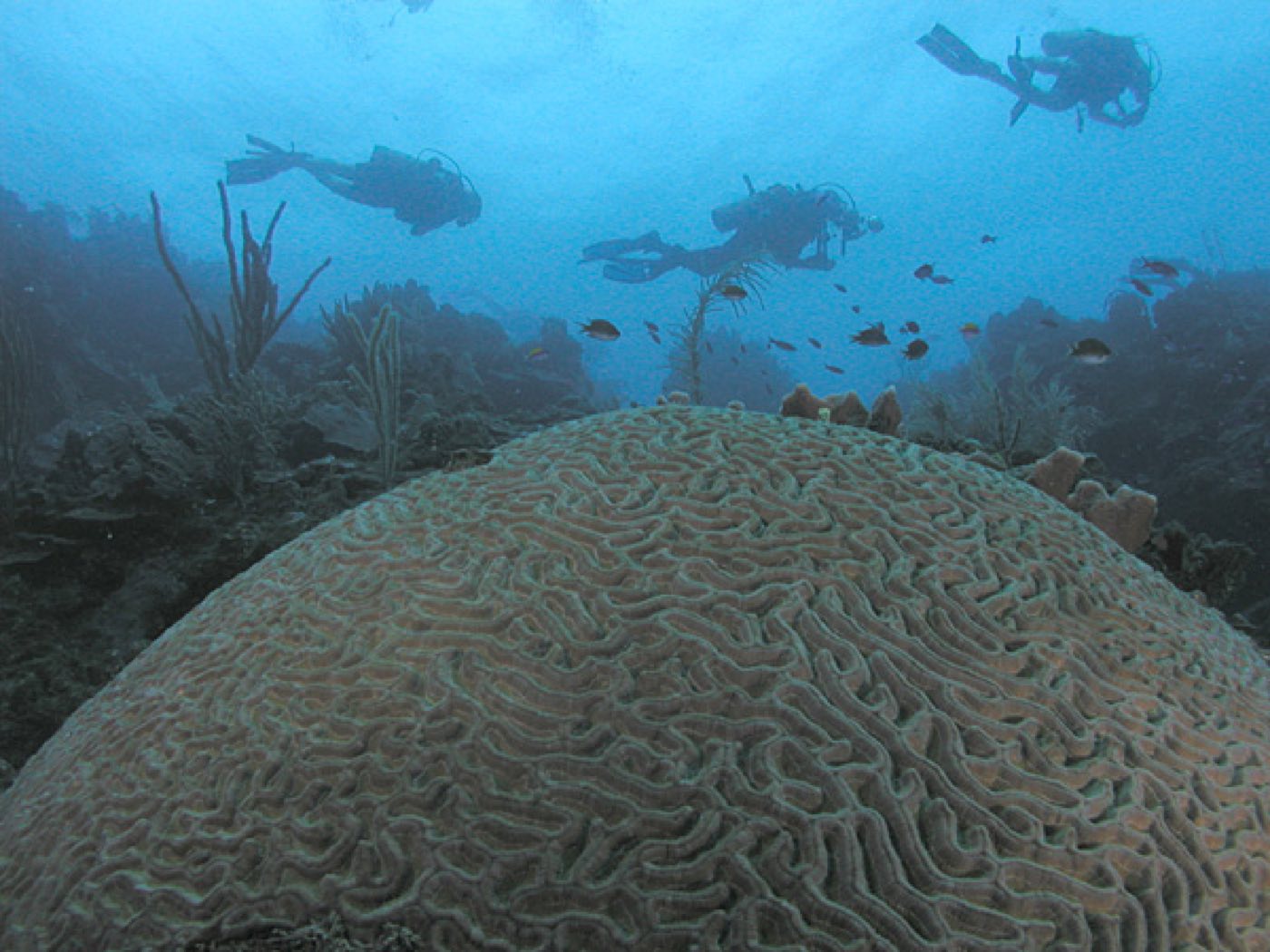
The largest of the Bay Islands offers some of the most accessible Caribbean diving in the region, with the Mesoamerican reef starting 100 meters from the beach in some places. West Bay and West End are the main dive hubs — the former upscale, the latter backpacker and dive-school central. Expect steep wall dives at Mary's Place, swim-throughs at Spooky Channel, and reliably warm 27–29°C water year-round. Whale sharks appear most often between February and April, and the resident dolphins at the research center do not — do not pay for the swim-with experience; the wild snorkeling is better and the ethics cleaner.
Utila — budget diving capital of Central America
The smaller, scruffier, cheaper sibling of Roatán, Utila is where backpackers from around the world fly in to get their open-water or advanced certifications at US$300–$400 including accommodation. The island is a single main road, a handful of dive shops, a Caribbean Creole culture unlike anywhere in Spanish-speaking Honduras, and enough casual bars to keep the post-dive social life busy. Whale-shark sightings off the northern coast are common from March to May. Book a reputable shop — Alton's, Utila Dive Centre, Captain Morgan's — and you will leave a diver.
Lake Yojoa birdwatching and waterfalls
Between Tegucigalpa and San Pedro Sula, Lake Yojoa is a high-altitude volcanic lake surrounded by coffee fincas, cloud forest, and waterfalls with an extraordinary bird count — over 400 species recorded, including the keel-billed motmot and dozens of hummingbirds. D&D Brewery on the lakeshore is the traveler hub, with craft beer, simple rooms, and easy access to Pulhapanyaka waterfall, coffee tours, and boat trips out onto the lake. A useful two-night break if you are crossing the country overland.
Pico Bonito National Park rainforest
Rising from sea level to 2,435 meters above the Caribbean coastal town of La Ceiba, Pico Bonito is one of the largest protected rainforests in Central America, and home to jaguars, tapirs, and the resplendent quetzal at elevation. The Lodge at Pico Bonito on the edge of the park runs guided hikes up to waterfall swimming holes, night walks, and a canopy zip-line with serious ecological credentials. Even a day trip from La Ceiba into the lowland trails delivers troops of white-faced capuchins and howler monkeys.
La Ceiba Carnival and Garifuna culture
The Caribbean port of La Ceiba runs the biggest carnival in Honduras each May — a week of parades, live punta music, and street food centered on Avenida San Isidro. Beyond carnival, La Ceiba is the gateway to the Bay Islands and to the Garifuna coast to the east, where the descendants of Afro-indigenous Caribbean people expelled from St. Vincent in the 18th century maintain their language, drum traditions, and cassava-based cuisine in villages like Sambo Creek and Triunfo de la Cruz.
Río Plátano Biosphere Reserve
A UNESCO site of pristine Mosquitia rainforest in eastern Honduras, Río Plátano is the closest thing left to untouched tropical wilderness in Central America — a region of Miskito and Pech indigenous communities, river canoes, and lost cities swallowed by the forest. Access is genuinely difficult: flights into Palacios, small boats up the river, days of travel. Go only with an experienced operator like La Moskitia Ecoaventuras from La Ceiba, and budget a week minimum. For the traveler who has done Copán and the reef and wants something wilder.
When to Go
February through May is the sweet spot — dry weather, excellent diving visibility around the Bay Islands, and cooler temperatures at Copán's elevation. November through January is also dry and pleasant, with the tradeoff of occasional northern cold fronts bringing rain to the Caribbean coast. The main rainy season from June through October brings heavy afternoon downpours in the highlands and reduces visibility around the reef, and hurricane risk runs from August through October — 2020's Hurricane Eta was a reminder of the coast's exposure. Whale-shark season on Utila peaks March to May, and carnival in La Ceiba falls in the third week of May.
Getting Around
Domestic flights are the best way to cover the country's awkward geography — CM Airlines and Aerolíneas Sosa connect San Pedro Sula, Tegucigalpa, Roatán, La Ceiba, and Utila for roughly US$80–$130 a leg. Between major cities, Hedman Alas runs the premium bus network with reserved seating and comfortable coaches on the San Pedro Sula–Copán–Tegucigalpa routes; this is a very different class of travel from the local chicken buses and the one worth paying for. The ferry from La Ceiba to Roatán (1 hour 20 minutes) or Utila (1 hour) is reliable. Do not drive yourself unless you have Central America experience; road travel at night is discouraged across the country, and private-driver transfers are reasonably priced.
Cost & Currency
Honduras uses the lempira (HNL), hovering around 25 HNL to 1 USD — exchange rates have been stable for years. US dollars are widely accepted in tourist areas (Bay Islands, Copán, dive shops), and most dive and tour prices are quoted in dollars. This is one of Central America's better values: a hostel bed runs US$10–$15, a dive-shop room US$20–$40, a mid-range hotel US$50–$90, a baleada (the national street snack of tortilla, beans, cream, and cheese) US$1–$2, and a good restaurant dinner US$10–$20. ATMs are plentiful in the cities and on Roatán and Utila; carry some cash for smaller towns and the Garifuna coast. Tipping is 10% at restaurants if service is not already included.
Frequently Asked Questions
- Is Honduras safe to visit?
- The tourist circuit — Copán, Roatán, Utila, Lake Yojoa, La Ceiba — is meaningfully safer than the country's overall reputation suggests, because these areas function with their own tourism-focused policing and local economy. Tegucigalpa and San Pedro Sula have serious urban crime and are best treated as transit points rather than destinations. Avoid night road travel across the country, do not flash valuables, and use registered taxis from your hotel.
- Do I need a visa?
- No — citizens of the US, UK, EU, Canada, Australia, and New Zealand get a 90-day stamp on arrival free of charge. Honduras is part of the CA-4 agreement with Guatemala, El Salvador, and Nicaragua, so the 90 days is shared across all four countries unless you get an extension.
- How does diving on Utila compare to Roatán?
- Utila is cheaper, rougher around the edges, and has a younger backpacker and dive-certification scene; Roatán has better infrastructure, more variety of accommodation and restaurants, and slightly better shore diving. The reef itself is comparable on both — same Mesoamerican system — so pick based on what kind of trip you want. Many travelers do both over two weeks.
- How do I get from Copán to the Bay Islands?
- The practical route is bus from Copán Ruinas to San Pedro Sula (3 hours on Hedman Alas), then either a short connecting bus to La Ceiba (3 hours) and the ferry out, or a direct domestic flight from San Pedro Sula to Roatán (45 minutes on CM Airlines). Book the domestic flight in advance for the better fares; same-day connections to the Copán bus are feasible but tight.
- Is the tap water safe?
- No — drink bottled or filtered water throughout the country. Most hotels provide bottled water or filtered drinking dispensers. On Roatán and Utila, tap water is desalinated or rainwater-collected and often not potable; use the 5-gallon refills that dive shops and hostels stock.
Plan a Trip to Honduras
Have you been to Honduras?
Track 195 countries, 50 states & 63 national parks on your map