Cuba
- Capital
- Havana
- Population
- 11.1M
- Currency
- CUP
- Languages
- Spanish
Overview
The largest island in the Caribbean and one of the most complicated places an American can legally travel, Cuba is a country of 1950s American cars idling along the Malecón, baroque colonial plazas filling nightly with live son and salsa, and tobacco valleys where harvest still happens by ox and hand. Travelers come for Old Havana, the karst mogotes of Viñales, Trinidad's cobblestone colonial center, and the reef-rich diving at the Bay of Pigs and Jardines de la Reina. What surprises most visitors is how present the people are. Decades of isolation have produced a culture that still meets you eye-to-eye on the street — neighbors greeting each other through open windows, kids playing stickball in the plazas, a trumpet player warming up on a staircase because the apartment is too small. The internet is thin, the shops are sparse, and dinner at a paladar often arrives an hour after you ordered it. You slow down because there's no other option. Then you realize slowness is the point. For US passport holders specifically: tourism to Cuba is illegal under US law and has been for decades. Travel is only permitted under twelve OFAC-licensed categories — the most common being "Support for the Cuban People," which requires a full-time schedule of interactions with independent Cubans (casas particulares, paladares, private guides) and a record-keeping obligation for five years. Travelers from Canada, Mexico, Europe, and most other countries face no such restrictions and can visit as ordinary tourists with a tourist card.
Things to Do
Old Havana's Plaza Vieja and Cathedral Square
UNESCO-listed Habana Vieja is five centuries of layered architecture in a walkable square kilometer — Plaza Vieja's restored mansions with stained-glass medio-puntos, the Cathedral of San Cristóbal in baroque coral stone, and the Plaza de Armas book market under ceiba trees. Walk at dawn for light and quiet, return in the evening for live music from every doorway, and order a daiquiri at El Floridita if you want the Hemingway version. Budget two full days just for this neighborhood.
Classic car rides along the Malecón
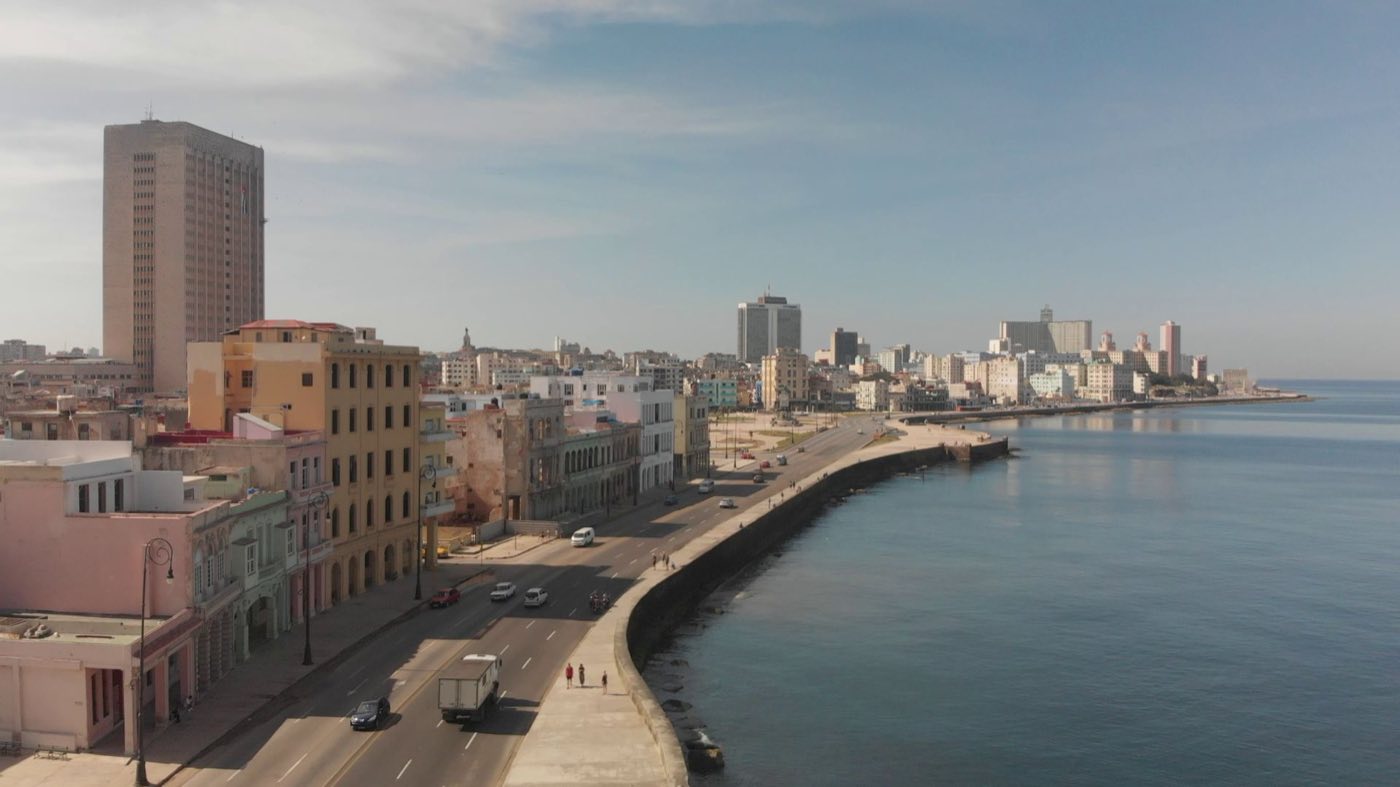
The seafront boulevard runs eight kilometers from Old Havana to Vedado, and riding it in an open-top 1955 Chevy Bel Air is the rare tourist experience that fully delivers. Hire a driver for an hour or two outside the Hotel Nacional — negotiate the price in advance, expect 30–50 CUC equivalent. At sunset the sea throws spray over the wall, couples and saxophone players line the parapet, and the city turns pink. It's performative, it's touristy, it's still remarkable.
Viñales Valley tobacco farms and mogotes
Three hours west of Havana, Viñales is a broad valley floor of red earth and tobacco rows surrounded by mogotes — limestone karst towers that rise abruptly from the fields. Stay two nights in a casa particular, ride horses out to a working tobacco farm, and watch a guajiro roll you a cigar from leaves aged in the shed behind his house. Hike the Cueva del Indio cave-river or climb a mogote at sunrise. Evenings in the central plaza fill with live music and dominoes.
Trinidad's cobblestoned colonial center
In the island's south-central hills, Trinidad is a frozen 18th-century sugar-trade town — pastel houses, red-tile roofs, mule carts still clattering over hand-set cobblestones. The Plaza Mayor and the Casa de la Música steps host nightly outdoor salsa that starts around ten and doesn't end until two. From Trinidad, day trips run to Playa Ancón's white sand beach, the Valle de los Ingenios sugar valley, and waterfalls in the Sierra del Escambray. Three nights is the right dose.
Bay of Pigs diving and snorkeling
Playa Larga and Playa Girón on the Bay of Pigs (Bahía de Cochinos) have some of the Caribbean's best shore-entry diving — a dramatic wall drops just meters from the sand and the coral is in better shape than most over-trafficked Caribbean sites. Even snorkelers see a wall of color in three meters of water. The area is also a pilgrimage site for Cuban history; the 1961 invasion museum in Girón is small, sober, and worth an hour.
Ernest Hemingway's Finca Vigía
The house where Hemingway wrote The Old Man and the Sea sits on a hill twenty minutes southeast of Havana in San Francisco de Paula, preserved exactly as he left it in 1960 — 9,000 books, his boat Pilar in the garden, the cats still wandering. You're not allowed inside but you walk the verandas and look through every window, which is actually more atmospheric than a full tour. Pair with a stop at Cojímar, the fishing village where The Old Man was set.
Jardines de la Reina marine park
Cuba's southern reef archipelago is one of the Caribbean's great conservation success stories — 600 square miles of protected coral with sharks, grouper, and turtles in densities the rest of the Caribbean hasn't seen in fifty years. Access is via live-aboard dive boats from Júcaro on a week-long permit; trips book up a year out and aren't cheap. This is a trip for serious divers willing to plan. Day visitors cannot reach the park.
When to Go
Mid-November through April is dry season and the only window most travelers should consider: daytime highs in the 75–85°F range, low humidity, and dependable blue skies. December and January bring the best weather and the highest prices around Havana; late February and March are the sweet spot. Hurricane season runs June through November with peak risk from August through early October — direct hits are uncommon but when they come they are serious, and heavy rain can strand travelers for days. Cultural calendar: the Havana Jazz Festival in January and the Festival del Nuevo Cine Latinoamericano in December are both excellent reasons to time a visit.
Getting Around
Cuba's transport network is idiosyncratic and rewards patience. The Víazul long-distance bus connects the tourist cities (Havana, Viñales, Cienfuegos, Trinidad, Camagüey, Santiago) with decent reliability and fares in the 20–50 CUC range; book online a week ahead. Domestic flights on Cubana and Aerogaviota exist but run on rubber schedules. Renting a car gives real freedom for the western provinces but fuel is rationed, rental supply is unreliable, and signage is poor — don't expect AAA-grade logistics. Collectivo shared taxis between cities are fast and cheap once you know the fare. Within cities, yellow cocotaxis and private taxis handle short hops — always agree the fare before the door closes. Walking the old towns is the right mode.
Cost & Currency
Cuba's currency situation is genuinely confusing. The official currency is the Cuban peso (CUP), and since 2021 the two-currency system was officially unified — but in practice many tourist-facing transactions now quote in US dollars, euros, or the informal exchange rate. Bring cash in euros, Canadian dollars, or Swiss francs (US dollars face a penalty at official exchange and are often refused). US-issued debit and credit cards do not work anywhere in Cuba, full stop — you must carry all the cash you need for the trip. A typical day runs 50–100 USD equivalent all-in: casas particulares 30–50 per night, paladar dinners 15–25, mojitos 4–6, museum entries 5–10. Budget more than you expect and always keep small bills for tips.
Frequently Asked Questions
- Can US citizens legally travel to Cuba?
- Yes, but only under one of twelve OFAC-licensed categories — tourism is not one of them. The most practical option for independent travelers is "Support for the Cuban People," which requires a full-time schedule of activities engaging Cuban civil society: staying in casas particulares rather than state hotels, eating at privately-run paladares, and hiring independent guides. Keep detailed records of your activities for five years in case of audit. Flights from Miami and other US gateways run daily.
- Will my US credit card work in Cuba?
- No — US-issued credit and debit cards, including Visa, Mastercard, and Amex, do not function anywhere in Cuba due to sanctions. You must bring all the cash you need for the entire trip. Canadian, European, and most non-US cards work at some hotels and bank ATMs but availability is unreliable, so even non-US travelers should bring cash as a backup. Bring euros or Canadian dollars rather than US dollars for better exchange.
- Is the internet available for travelers?
- Barely, and it matters for planning. Wi-Fi is available in most casas particulares and in public plazas via ETECSA cards, but speeds are slow and connections drop frequently. Buy a Cubacel Tur SIM at the airport for some mobile data, or accept that you'll be mostly offline. Download offline maps (Maps.me works well), translation tools, and any confirmations before you arrive. The disconnection is genuinely part of the experience for most visitors.
- Is Cuba safe for travelers?
- Yes — violent crime against tourists is rare and Cuba is statistically one of the safer Caribbean destinations. The bigger risks are minor: pickpocketing in Havana tourist zones, taxi overcharging, and occasional scams involving "special" cigars or restaurants. Solo women travelers report the usual catcalling but generally feel secure. Follow basic city precautions, keep an eye on your bag in crowded Habana Vieja streets, and use registered taxis.
- What about after visiting Cuba — can I still go to the US?
- This is where things get tricky for non-Americans. Visiting Cuba makes you ineligible for the US Visa Waiver Program (ESTA), meaning Europeans, Japanese, and other visa-exempt travelers who visit Cuba must thereafter apply for a full B-1/B-2 tourist visa at a US embassy before future US trips. The change is permanent. Americans don't face this issue — but must stay within their OFAC license category or risk fines.
Plan a Trip to Cuba
Have you been to Cuba?
Track 195 countries, 50 states & 63 national parks on your map