National Park · KY · Est. 1941
Mammoth Cave
Overview
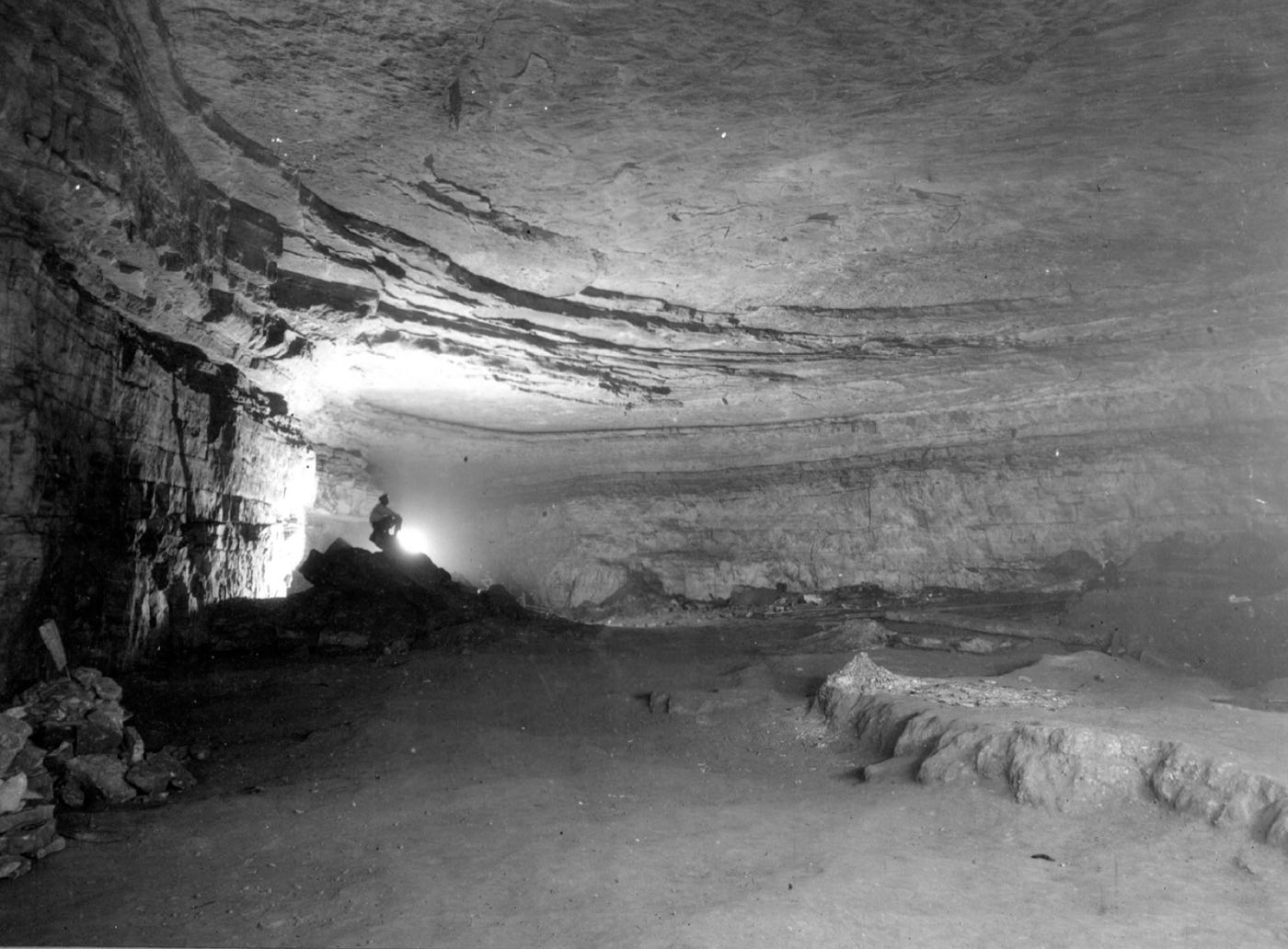
Mammoth Cave is the longest known cave system on Earth — more than 400 mapped miles of passages, with geologists confident another several hundred are still undiscovered beneath the Kentucky hills. Unlike the decorated caves of the Southwest, Mammoth's draw isn't constant flowstone or dripstone; it's scale. You walk a chamber called Broadway that is 40 feet high and a quarter mile long, and then keep walking. You cross iron handrails bolted in by saltpeter miners in the War of 1812. You stand in a room big enough that your headlamp can't find the far wall. What most first-time visitors don't realize is that you cannot wander this cave on your own — virtually every visit is a ranger-guided tour you buy a ticket for, and summer tours sell out weeks ahead. The cave stays 54 degrees Fahrenheit year-round, which is lovely in August and startling in January. Above ground, the park protects 53,000 acres of second-growth Kentucky hardwood forest and a stretch of the Green River, and the hiking and paddling up there are underrated in their own right. Plan at least two tours — a historic route for the sense of 19th-century exploration, and a wilder one to feel the cave as geology instead of spectacle.
What to See & Do
Historic Tour through the cave's grandest chambers
The classic two-hour tour enters through the Natural Entrance — a gaping yawn in the hillside from which cold cave air blows like an open freezer door — and descends through Houchins Narrows, Broadway, and the Rotunda, the cave's largest room. Rangers point out the wooden saltpeter leaching vats left from 1812 and the signatures soldiers-turned-tourists left on the walls with candle smoke. About two miles round-trip with 540 stairs, and the only way to understand why people have been paying to tour this cave since the 1810s.
Domes and Dripstones Tour past towering underground formations
This two-hour tour starts at the New Entrance — actually dynamited open in 1921 — and drops a steep metal staircase through vertical shafts called domes before finishing in the Frozen Niagara section, where you finally get the dripstone and flowstone most people picture when they hear 'cave.' You'll descend and climb around 500 steps. Book this one well ahead in summer; it's the most visually dramatic of the standard tours.
Wild Cave Tour — a 6-hour crawling adventure (reservation only)
The real-deal caving tour, reservation only, ages 16 and up, and very much not for anyone with claustrophobia or a bad back. You're issued coveralls, gloves, kneepads, a helmet, and a headlamp, and for six hours you crawl, climb, scoot, and shimmy through passages you could not stand up in if you wanted to. Book months ahead — tours are capped at 14 people and fill fast. You'll leave wet, bruised, and telling the story for the rest of your life.
Frozen Niagara formation resembling a cascading waterfall
A 75-minute short tour designed for anyone who doesn't want hours of stairs — enter through a cave-mouth near Frozen Niagara and descend only a few levels to see the park's most photographed formation, a wall of orange-streaked flowstone that really does look like a cascade caught mid-fall. Good option for young kids, grandparents, or a quick stop if you only have a half day. About 3/4 mile round-trip with under 100 steps.
Green River canoe and kayak paddling above the cave
The Green River threads through the park above the cave system — same water that cut the caves over millions of years. Outfitters in the tiny town of Munfordville rent canoes and kayaks for self-guided trips of 4 to 25 miles, and the river is slow-moving Class I water suitable for kids. You'll paddle past limestone bluffs riddled with cave openings, ferry crossings, and herons working the shallows. Plan a full day for the classic 10-mile trip ending at Houchin Ferry.
Big Hollow Trail through old-growth forest
An 8.5-mile loop in the park's backcountry west of the main visitor area, winding through mature hardwood forest and along sandstone bluffs. This is the most rewarding above-ground hike in the park — oaks, hickories, and tulip poplars big enough that you tilt your head back, and wildflower-heavy stretches in April and May. Share the trail with mountain bikes, which have their own connector loops, and allow four to five hours at a relaxed pace.
Self-Guided Tour of the cave entrance area
If tours are sold out or you just want a taste before committing, the Heritage Trail and the area around the Historic Entrance are open to walk without a ticket. You can step down to the gate of the Natural Entrance, feel that cold cave air blowing out, and read the interpretive plaques about Stephen Bishop and the enslaved guides who mapped much of the cave in the 1800s. Not a substitute for a real tour, but a good orientation.
Getting There & When to Go
Louisville, Kentucky, and Nashville, Tennessee, are each about 90 minutes away on I-65 — Louisville to the north, Nashville to the south. The park sits right off Exit 53 in Cave City. Mammoth Cave is a year-round destination because the cave stays 54 degrees, which is a welcome break in a humid Kentucky August and a reason to bundle up in January. Summer from June through August is by far the busiest — tour tickets sell out, parking lots fill by 10 a.m., and lodging in Cave City books up weeks ahead. Spring wildflowers in April and May and fall foliage in mid-to-late October are the sweet-spot visits. Winter is quietest; same tours, no crowds, and easier walk-up availability.
Where to Stay
The Lodge at Mammoth Cave is the in-park option, right next to the visitor center, with simple hotel rooms and rustic cabin rooms plus a casual restaurant. Staying here means rolling out of bed and onto your tour — worth it if you have an early ticket. Outside the park, Cave City is the gateway town a few miles east, with a full lineup of chain hotels, mom-and-pop motels, and campgrounds along the strip. Park City to the west is smaller and quieter. The Mammoth Cave Campground inside the park has 111 sites, reservable through recreation.gov, and three backcountry group camping areas for hikers and paddlers. Louisville or Nashville work for one night, but the drive each way cuts into tour time.
Frequently Asked Questions
- Do I need a reservation for a cave tour?
- Strongly yes, especially from Memorial Day through Labor Day. Tour tickets go on sale six months in advance on recreation.gov, and popular tours like the Domes and Dripstones and the Wild Cave Tour sell out weeks or months ahead. Walk-up tickets can sometimes be had for shorter tours, but don't count on it in summer.
- Can I explore the cave without a ranger?
- No — almost all of the cave is accessible only on ranger-guided tours. The Heritage Trail at the surface and the Historic Entrance area are open to walk without a ticket, but you can't pass through the gate. This is true throughout the cave system, for safety and preservation reasons.
- How difficult are the cave tours physically?
- It varies. The Frozen Niagara tour is under an hour with few stairs. The Historic Tour and Domes and Dripstones include 500 to 540 stairs and two hours of steady walking. The Wild Cave Tour is six hours of crawling and climbing and requires real fitness. Every tour description on the park's website lists steps, duration, and difficulty.
- Is the cave wheelchair accessible?
- Portions are. The Mammoth Cave Accessible Tour is designed for wheelchairs and strollers, enters via a step-free route, and visits the Snowball Dining Room. Other tours involve too many stairs to be accessible. Contact the visitor center ahead of your visit to confirm availability and reserve a slot.
Plan Your Visit
Book Nearby HotelsHave you visited Mammoth Cave?
Track all 63 national parks on your map