National Park · AR · Est. 1921
Hot Springs
Overview
Hot Springs is a national park built around bathhouses. Eight grand early-20th-century spa buildings line Central Avenue in downtown Hot Springs, Arkansas, fed by 47 thermal springs that produce nearly a million gallons of 143-degree water every day. The water is filtered underground for roughly 4,400 years before it surfaces, and it's been the whole point here for more than a century — baseball players in spring training, gangsters on holiday from Chicago, and a long line of presidents all came to take the waters in these same tubs. You can still do exactly that. The Buckstaff has run the traditional thermal soak continuously since 1912; the Quapaw next door offers four modern communal pools. The park is unusual in that it sits inside a working downtown. Walk out of a soak and you're on Central Avenue with restaurants, breweries, and shops. The Fordyce Bathhouse — the most lavish on the row when it opened in 1915 — is now the visitor center, restored floor to ceiling with original tilework and stained glass. Free public fountains dispense the thermal water for anyone who wants to fill a jug, and locals do, by the gallon. Behind the row, a forested mountain rises 700 feet with about ten miles of quiet trails and a 216-foot observation tower at the top, but the bathhouses are why people come.
What to See & Do
Bathhouse Row — eight grand early-20th-century spa buildings
The eight bathhouses along Central Avenue were built between 1892 and 1923 in a stretch of architectural one-upmanship, each trying to outdo the next with its marble, tile, and stained glass. Start with a slow walk the length of the row, reading the plaques — most of the buildings are now restored and open to the public as a brewery (Superior), a hotel (Hale), a gallery (Ozark), and the Fordyce museum. The sidewalk itself is historic, set with thermal spring fountains where you can fill a bottle with drinkable 143-degree water.
Buckstaff Bathhouse for a traditional thermal soak experience
The Buckstaff has been operating continuously since 1912 and still runs the traditional 20-minute thermal bath, sitz bath, loofah scrub, and hot pack treatment in the same order, in the same tubs, with the same no-nonsense staff. Walk-ins are accepted before 11:45 a.m. — get in line by 8:30 a.m. on weekends. Men and women bathe on separate floors. The whole experience takes about 90 minutes and costs less than a massage at most hotels.
Fordyce Bathhouse visitor center and museum
The Fordyce was the most lavish of the row when it opened in 1915 and it's now the park's visitor center, restored floor to ceiling with its original tilework, stained-glass ceilings, statuary, and gleaming brass fixtures. Wander the three floors at your own pace — the men's bathhall with its skylit dome is the showstopper — and pick up a map for Bathhouse Row and the mountain trails at the front desk. Allow an hour; admission is free.
Hot Springs Mountain Tower for valley panoramas
A 216-foot observation tower on the summit of Hot Springs Mountain gives you the full view of the Ouachita range and the town below. Drive the winding park road or hike up the Peak Trail from behind Bathhouse Row — about 1.5 miles with real elevation. The tower's enclosed top floor is air-conditioned, a welcome retreat in Arkansas summer. Dogwoods flower around the base in early April; the maples color up in late October.
Drinking certified thermal spring water from public fountains
The park maintains free thermal and cold-spring fountains along Bathhouse Row and Reserve Street where anyone can fill a jug — bring your own or buy one at the Fordyce gift shop. The thermal water comes out at 143 degrees and needs to cool before you drink it; the separate cold-spring fountains run year-round at about 60 degrees. Locals show up with five-gallon jerrycans on Saturday mornings, and no one minds if you join the line.
Grand Promenade brick walkway behind Bathhouse Row
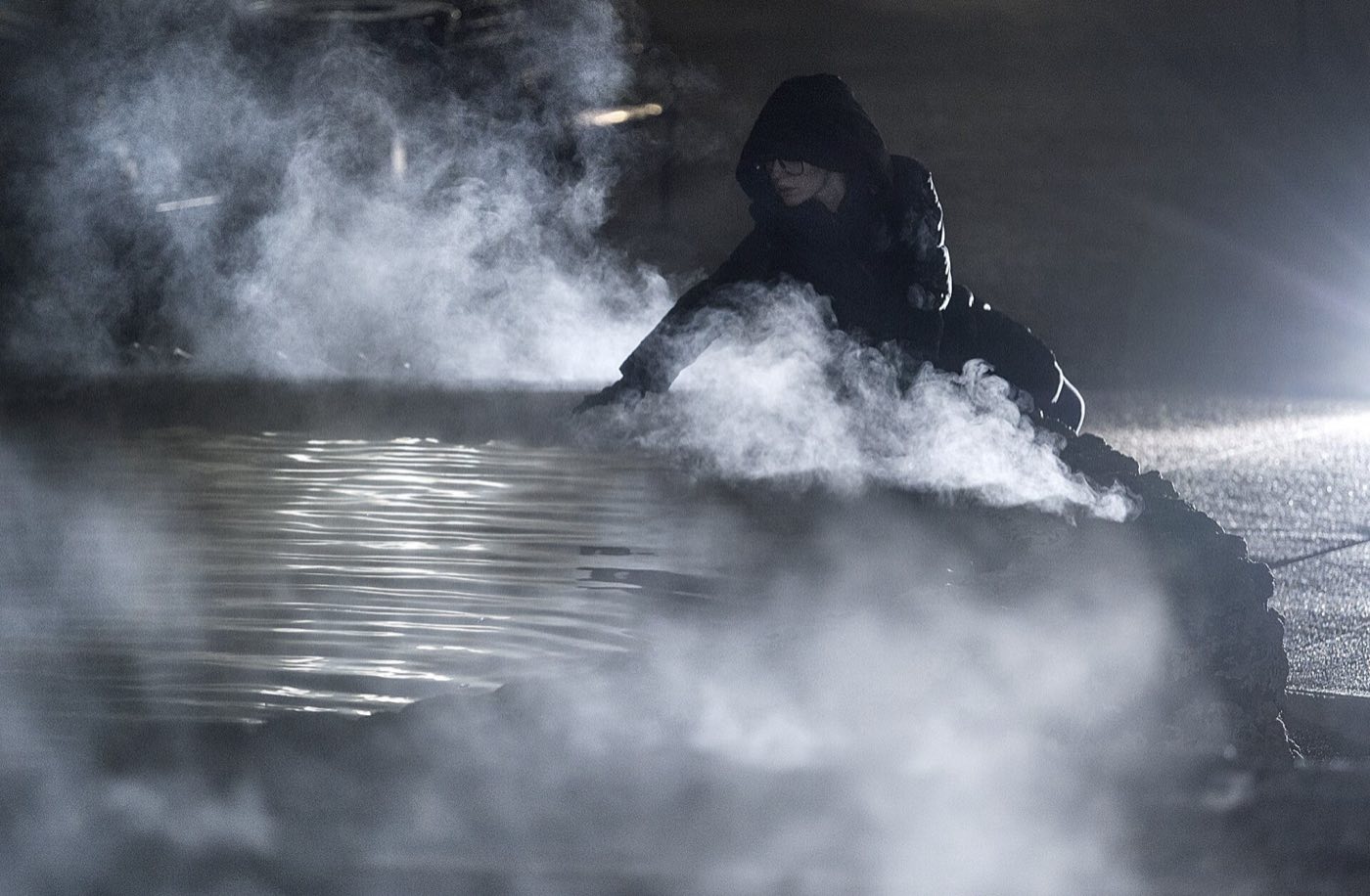
A half-mile brick-paved promenade runs behind the bathhouses at the base of the mountain, built in the 1930s as a place for soakers to stroll between treatments. Steam still rises from the display springs along the way — these are capped thermal sources that let you see the water at its natural temperature. It's the prettiest walk in the park, especially in the hour before sunset when the brick warms up and the live oaks filter the light.
Sunset Trail loop through forested Hot Springs Mountain
For the longest walk in the park, the Sunset Trail runs 10 miles along the ridges north and west of downtown, connecting to shorter loops on Sugarloaf, West, and North mountains. The full loop takes a solid four hours. Start from the Cedar Glades trailhead for the most scenic stretch, pick up the West Mountain Summit spur for a view back toward Bathhouse Row, and bring water — the trails are shaded but humidity in summer is brutal.
Getting There & When to Go
Hot Springs sits about an hour southwest of Little Rock off I-30 and Highway 70. Clinton National Airport in Little Rock is the nearest major airport, roughly 55 miles away, and the drive in is easy. The town itself is walkable end to end — park once near Bathhouse Row and leave the car. March through May brings dogwoods, redbuds, and pleasant 70-degree days; September through November delivers cool evenings and golden maples along the ridges. Summer is humid and in the 90s, but the bathhouses and the mountain tower both stay air-conditioned, and the thermal springs run exactly the same temperature year-round. Buckstaff soaks fill up on weekends — arrive before 10 a.m. or book ahead at the Quapaw for the more flexible pool option.
Where to Stay
The Arlington Resort Hotel at the head of Central Avenue is the town's grand 1924 hotel and the best place to stay for location — step out the front door and you're at the top of Bathhouse Row. It has its own thermal baths in-house and a rooftop pool. The Hotel Hale, inside one of the restored bathhouses on the row itself, is smaller and more intimate, with thermal soaking tubs in every room. For more budget flexibility, the chain hotels along Highway 70 west of downtown are 10 minutes by car and cost about half as much. If you want quiet, rent a lake cabin on Lake Hamilton or Lake Ouachita — both are within 15 minutes and offer boating, swimming, and a very different Arkansas experience after dark.
Frequently Asked Questions
- Do I need a reservation to enter Hot Springs National Park?
- No — the park has no entrance station and no fee. Bathhouse Row, the mountain drive, and the trails are all free and open to the public. You only pay for specific experiences inside the park: thermal soaks at the Buckstaff or Quapaw, admission to the mountain tower, and the Gangster Museum nearby.
- Can I actually drink the thermal spring water?
- Yes — the water has been tested and certified safe by the park, and free public fountains along Central Avenue and Reserve Street dispense it. The thermal water comes out at 143 degrees, so let it cool before drinking. It's odorless and slightly mineral-tasting.
- What's the difference between Buckstaff and Quapaw bathhouses?
- Buckstaff is the traditional option — a structured 90-minute ritual of private porcelain tubs, sitz bath, loofah scrub, and hot pack, unchanged since 1912. Quapaw is the modern option — four communal thermal pools at different temperatures where you can linger as long as you like in a swimsuit. Buckstaff is cheaper and more historic; Quapaw is more relaxed.
- Are there hiking trails inside the park?
- Yes — more than 26 miles of trails run through the forested mountains behind downtown, from easy half-mile strolls on the Grand Promenade to the 10-mile Sunset Trail loop. Most trails are shaded, well-maintained, and see very few hikers compared to the bathhouse area. Trail maps are free at the Fordyce visitor center.
Plan Your Visit
Book Nearby HotelsHave you visited Hot Springs?
Track all 63 national parks on your map